
Japanese terrarium lighting aesthetic transcends mere plant arrangement; it’s a meticulous art form reflecting centuries of Japanese design principles. This meticulous approach emphasizes harmony, balance, and tranquility, using carefully chosen lighting to create an immersive and peaceful miniature world. The interplay of natural and artificial light sources, coupled with the strategic placement of plants and materials, crafts a truly captivating experience.
From defining the aesthetic’s core principles to exploring modern interpretations, this comprehensive guide delves into the intricate details of Japanese terrarium lighting. Understanding the cultural and historical influences is key to appreciating the nuanced artistry, along with the practical aspects of plant selection, lighting techniques, and material choices.
Defining the Aesthetic
The Japanese terrarium lighting aesthetic, a captivating blend of nature, artistry, and cultural tradition, transcends mere plant display. It’s a carefully curated microcosm, reflecting the profound appreciation for miniature landscapes and the subtle beauty found in nature’s intricacies. This approach emphasizes the use of carefully selected lighting to highlight the unique features of the plants and the overall design, creating an immersive and evocative atmosphere.This style goes beyond simply arranging plants; it’s an art form that celebrates the delicate balance between nature and design, incorporating elements of Zen philosophy and the appreciation of seasonal changes.
The careful selection of lighting plays a critical role in setting the mood and highlighting the textures and colors of the plants and materials. It is a testament to the Japanese aesthetic of minimalism and harmony, often evoking a sense of tranquility and introspection.
Core Principles
This aesthetic is rooted in the Japanese principles of侘び寂び (wabi-sabi)*, which embrace the beauty of imperfection, transience, and the natural world’s inherent beauty. The core principles focus on creating a sense of harmony and tranquility through the use of understated elegance, asymmetry, and natural materials. This often translates to showcasing the natural beauty of the plants without excessive ornamentation.
The lighting plays a pivotal role in enhancing the perceived naturalness and imperfection of the composition.
Styles and Variations
Various styles exist within this aesthetic, each with subtle differences in their approach. One prominent style emphasizes the use of natural, muted colors and textures, evoking a sense of calm and serenity. Another style might focus on the dramatic interplay of light and shadow, highlighting the sculptural qualities of the plants and their forms. Yet another style might incorporate elements of Japanese gardens, with miniature streams, rocks, and bridges, showcasing the artistry of miniature landscape design.
These stylistic variations reflect the adaptability and richness of the aesthetic, allowing for personal expression while maintaining the core principles of the style.
Cultural and Historical Influences
The aesthetic draws heavily on centuries of Japanese cultural and artistic traditions. The concept ofwabi-sabi* deeply influences the aesthetic, encouraging appreciation for natural beauty, imperfection, and impermanence. Traditional Japanese gardens, with their meticulously crafted landscapes and minimalist designs, provide another key influence, particularly in the miniature scale found in terrariums. The aesthetic also echoes the emphasis on harmony with nature and the appreciation for seasonal changes prevalent in Japanese art and culture.
Natural Elements and Materials
The Japanese terrarium lighting aesthetic relies heavily on natural elements and materials. This includes various types of plants, carefully selected for their textures, colors, and forms. Natural stones, driftwood, and other organic materials are frequently incorporated to create a sense of place and enhance the natural feel. The careful selection of these elements underscores the emphasis on authenticity and the natural beauty of the composition.
Elemental Analysis of the Japanese Terrarium Lighting Aesthetic
| Element | Description | Cultural Significance | Visual Representation (image description) |
|---|---|---|---|
| Plants | A variety of plants, carefully chosen for their textures, colors, and forms, often showcasing seasonal changes. | Symbolizes nature’s beauty and impermanence, as well as the cyclical nature of life. | A terrarium featuring a variety of small, vibrant plants, with subtle variations in leaf shapes and colors, highlighting different stages of growth. |
| Stones | Natural stones, often polished or weathered, used to create visual interest and a sense of grounding. | Represent stability and permanence within the impermanent natural world, a counterpoint to the ephemeral nature of plants. | A terrarium featuring smooth, gray stones strategically placed to highlight the forms of the plants, emphasizing a sense of balance. |
| Driftwood | Natural driftwood, with unique shapes and textures, used to add visual interest and a sense of depth. | Represents the passage of time and the transformative power of nature, echoing the principles of wabi-sabi. | A terrarium with a piece of driftwood, displaying a unique, curved shape, adding a sense of movement and history to the overall design. |
| Lighting | Carefully selected lighting that emphasizes the textures, forms, and colors of the plants and elements, highlighting the subtle beauty of the composition. | Plays a critical role in setting the mood and highlighting the subtle beauty of the terrarium, echoing the Japanese appreciation for understated elegance. | A terrarium illuminated by soft, warm lighting, showcasing the intricate details of the plants and the textures of the materials, creating a sense of depth and dimension. |
Lighting Techniques
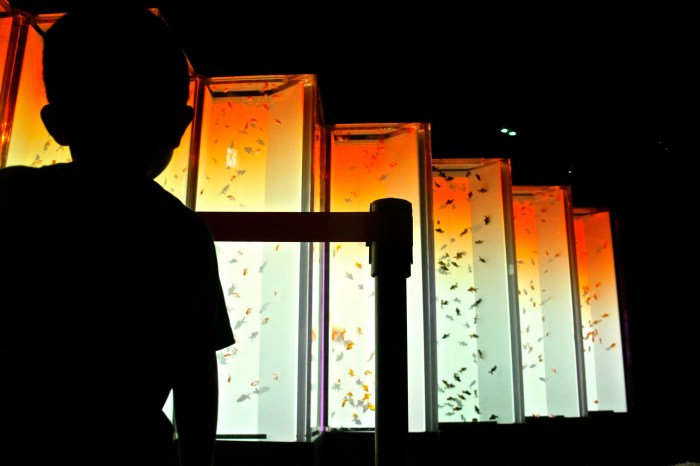
Illumination plays a crucial role in shaping the serene and minimalist ambiance of Japanese terrariums. The careful selection and application of light sources, both natural and artificial, contribute significantly to the overall aesthetic, emphasizing the delicate textures and subtle colors within the miniature landscapes. Proper lighting techniques create a captivating and immersive experience for the viewer, drawing them into the tranquility of the miniature ecosystem.The essence of Japanese aesthetics, characterized by a focus on natural elements and subtle beauty, finds its expression in the careful control of light within a terrarium.
This control creates a harmonious balance between the artificial and natural world, mirroring the principles of wabi-sabi, the appreciation for imperfection and impermanence. By thoughtfully managing the light, the terrarium’s beauty is amplified, enhancing the overall experience for the observer.
Natural Light Sources
Natural light, particularly diffused sunlight, is highly valued in Japanese terrarium design. Direct sunlight can be harsh and damaging to the delicate plants and ecosystems within the terrarium. Strategically placing the terrarium near a window that receives filtered light is crucial. A south-facing window, for example, can provide ample light without the intensity of direct rays, allowing the plants to thrive and maintain their natural colors.
The warm hues of morning or evening light can also enhance the ambiance, creating a sense of serenity and tranquility.
Artificial Light Sources
Artificial lighting provides flexibility and control over the terrarium’s illumination. LED lights are becoming increasingly popular due to their energy efficiency, low heat output, and ability to mimic natural light spectra. The use of warm-toned LEDs can effectively create a serene atmosphere, while cooler tones can accentuate the colors of certain plants. Using multiple light sources, positioned strategically, can highlight specific features within the terrarium, enhancing the depth and dimension of the miniature landscape.
Dimmable lights allow for customization, allowing for varying levels of intensity based on the desired effect.
Different Lighting Techniques
Japanese terrariums often employ various lighting techniques to create a specific mood. The use of ambient lighting, achieved through soft, diffused sources, is common. This type of lighting aims to create a balanced and harmonious glow throughout the terrarium, highlighting the overall composition without harsh shadows or glare. Spotlighting, focused on specific plants or features, can draw attention to particular elements, emphasizing their intricate details and textures.
Achieving Soft, Diffused Light
Soft, diffused light is crucial for maintaining a serene and inviting ambiance. Employing frosted or translucent glass coverings on the terrarium can effectively soften harsh light. Positioning the terrarium in a way that minimizes direct light exposure is essential. Utilizing sheer curtains or blinds near a window can filter light, providing a more gentle illumination. Adding white or light-colored stones or decorative elements within the terrarium can also reflect light, contributing to the soft, diffused effect.
Comparison of Lighting Techniques
| Light Source | Effect | Application | Visual Example (Image Description) |
|---|---|---|---|
| Natural Sunlight (filtered) | Warm, diffused glow; emphasizes natural colors | Placement near a window with filtered light; morning or evening light | A terrarium situated near a window with sheer curtains, showcasing plants bathed in a gentle, warm light, with subtle shadows. |
| Warm-toned LED Strip Lights | Creates a serene and inviting atmosphere; emphasizes plant details | Underneath or around the terrarium; incorporated into the design; adjustable intensity | A terrarium with warm-toned LED lights wrapped around the perimeter, creating a soft, glowing ambiance that highlights the intricate details of the plants and miniature landscape. |
| Spotlights (LED) | Highlights specific features; accentuates textures and colors | Focused on particular plants or features; can be incorporated into the terrarium structure | A terrarium with strategically placed LED spotlights highlighting a bonsai tree in the center, drawing attention to its intricate branches and foliage, while maintaining a serene overall atmosphere. |
| Diffused Glass Cover | Softens harsh light; prevents glare | Covers the terrarium; allows for indirect light entry | A terrarium with a frosted glass cover, which allows light to enter but diffuses its intensity, preventing harsh shadows and creating a soft, ambient glow throughout the miniature ecosystem. |
Plant Selection and Arrangement
Japanese terrarium aesthetics prioritize a harmonious blend of nature and design, achieving a sense of tranquility and stillness. Careful plant selection and arrangement are critical to realizing this aesthetic, as the right choices can elevate the terrarium from a simple container to a captivating miniature ecosystem. The interplay of plant types, textures, and placement directly impacts the visual appeal and overall experience.
Plant Selection for Harmony and Balance
Selecting plants that complement each other in terms of size, growth habit, and foliage color is paramount. This approach creates a balanced composition that avoids visual clutter or imbalance. Plants with contrasting textures, like soft ferns and robust succulents, can add visual interest while maintaining a harmonious feel. The overall size and shape of the container also play a crucial role in determining the appropriate plant species to avoid overwhelming the space.
Arrangement Principles for Tranquility and Stillness
Arrangement principles in Japanese terrariums emphasize natural forms and minimal disruption. A natural, unforced aesthetic is key. Mimicking natural landscapes with varying heights and textures creates depth and visual interest. Strategically positioning plants to emphasize negative space allows the eye to appreciate the beauty of the foliage and the subtle design. Avoid overly symmetrical arrangements; strive for a sense of effortless elegance and understated beauty.
Creating Depth and Dimension
Creating depth and dimension in a terrarium is achieved by varying plant heights and layering. Placing taller plants in the back, medium-sized plants in the middle, and shorter plants in the foreground helps establish a sense of perspective and visual depth. The use of different foliage colors and textures adds to the visual complexity and interest. This layering technique adds an element of natural dimension, mirroring the layered landscapes found in nature.
Plant Selection Table
| Plant Type | Characteristics | Arrangement Considerations | Visual Example (Description) |
|---|---|---|---|
| Ferns (e.g., Japanese Painted Fern) | Delicate foliage, lush green, often cascading or trailing | Excellent for creating a sense of softness and movement; can be placed at the front or middle ground to add a layer of depth. | A lush, cascading Japanese Painted Fern, with its vibrant green fronds, creates a sense of tranquil movement at the front of the terrarium. |
| Succulents (e.g., Sedum) | Thick, fleshy leaves, varied colors (green, gray-blue, pink), slow-growing | Excellent for adding visual contrast and textural interest; can be grouped together in clusters or placed strategically throughout the terrarium to emphasize different levels. | A grouping of Sedum succulents with their gray-blue hues placed in the middle ground of the terrarium creates a striking visual contrast and a textured element, complementing the soft ferns. |
| Mosses (e.g., Sphagnum moss) | Soft, velvety texture, can be used to cover the surface of the terrarium or add to the base of the plants | Mosses add a layer of softness and help create depth; can be strategically placed around the base of other plants or used to fill gaps. | Sphagnum moss, placed as a base layer in the terrarium, provides a soft, velvety groundcover for the other plants, helping to emphasize the layered effect. |
| Miniature Bamboo | Tall, slender stalks, adds verticality | Ideal for creating a sense of height and adding visual interest in the background. | Several stalks of miniature bamboo, positioned in the back of the terrarium, add a touch of elegance and height, providing a focal point and depth to the composition. |
Materials and Accessories
Japanese terrariums, or “bonsai-style” terrariums, prioritize a sense of tranquility and miniature artistry. Beyond the plants, the carefully chosen materials and accessories are crucial in conveying this aesthetic. The selection evokes a connection to nature’s essence, emphasizing simplicity and understated elegance.The materials used in Japanese terrariums are not just functional; they contribute to the overall visual harmony. The selection and arrangement of accessories are vital for creating a miniature landscape that feels authentic and complete.
The deliberate use of these elements enhances the artistic quality and emotional impact of the terrarium.
Typical Materials
Japanese terrariums often feature materials that mimic natural elements, contributing to the overall aesthetic of tranquility and simplicity. These materials should be chosen for their natural beauty and ability to complement the plants within the terrarium. Materials like wood, stone, and ceramic are common choices.
- Wood: Natural wood slices, branches, or small logs are used for creating structural elements and adding texture. The warm tones of wood evoke a sense of naturalness and grounding within the terrarium. Pieces of driftwood are frequently used to create a sense of weathered beauty.
- Stone: Small stones, gravel, and pebbles provide visual interest and mimic natural landscapes. The variations in color and texture contribute to the overall aesthetic. Smooth river stones or polished stones create a refined look. Rounded stones are often chosen for their calming appearance.
- Ceramic: Small ceramic figurines, teacups, or decorative items can be incorporated to add depth and character. These often represent elements of Japanese culture and design, like miniature tea sets or Zen garden elements.
Decorative Accessories
Accessories are key to achieving the immersive quality of a Japanese terrarium. These elements should be selected for their visual appeal, complementing the plants and other materials. They can subtly enhance the overall atmosphere and evoke specific moods or feelings.
- Figurines: Miniature figurines of animals, insects, or even people can add a touch of whimsy or represent specific themes. These could include small birds, turtles, or even traditional Japanese figurines like bonsai-style figures.
- Miniature Tools: Small gardening tools, such as miniature rakes or trowels, can add a sense of craftsmanship and attention to detail. These tools contribute to the overall theme of cultivation and care for the plants.
- Small Ornaments: Tiny ornaments, such as miniature lanterns or moss-covered rocks, can add a sense of serenity and balance. These details, carefully placed, can subtly emphasize the overall theme of the terrarium.
Materials and Accessories List
- Small, polished river stones
- Driftwood pieces of varying sizes and shapes
- Natural wood slices or branches
- Small ceramic figurines, including miniature animals
- Miniature gardening tools
- Small, moss-covered rocks
- Tiny ornaments, such as miniature lanterns
- Sand or gravel for base layers
- Small decorative bowls or containers
- Miniature tea sets or other cultural elements
Suitable Materials and Accessories Table
| Material | Description | Purpose | Visual Example (Image Description) |
|---|---|---|---|
| Polished River Stones | Smooth, rounded stones in various shades of gray and brown. | Provide visual interest and a natural base. | A collection of small, smooth stones, showcasing different shades and textures. |
| Driftwood | Weathered pieces of wood with natural shapes and curves. | Adds texture and visual depth; creates a sense of aged beauty. | A piece of driftwood with intricate patterns and variations in color, representing a natural, weathered look. |
| Miniature Ceramic Figurine | Small, hand-crafted ceramic figurines of animals or Japanese themes. | Adds a touch of whimsy, symbolism, or cultural representation. | A miniature ceramic figurine of a crane, showcasing intricate details and a delicate appearance. |
| Small Moss-covered Rocks | Small rocks with a layer of moss or lichen. | Adds a touch of green and a sense of nature’s growth. | A small rock with a lush layer of moss, showcasing the texture and vibrancy of nature. |
Creating a Tranquil Atmosphere
Japanese terrariums, or kokedama, are more than just aesthetically pleasing displays; they are meticulously crafted environments designed to evoke a sense of peace and tranquility. Careful consideration of color palettes, textures, and subtle elements like sound and scent contributes significantly to the overall experience, transforming the space into a miniature sanctuary. This deliberate design fosters a calming presence, drawing the viewer into a serene realm.The meticulous arrangement of elements in a Japanese terrarium is a crucial aspect of achieving a tranquil atmosphere.
Each component, from the miniature plants to the carefully chosen materials, plays a vital role in shaping the overall mood. This careful consideration is paramount in achieving a calming and harmonious aesthetic, allowing the observer to immerse themselves in the quietude of the miniature landscape.
Color Palettes for Tranquility
A key element in achieving a tranquil atmosphere within a terrarium is the strategic selection of color palettes. Subdued tones, reminiscent of nature’s gentle hues, are generally preferred. Soft greens, earthy browns, and calming blues create a soothing visual harmony. Using shades of muted gray or pale pinks can also contribute to a sense of serenity. Avoiding overly bright or jarring colors is essential for maintaining the desired sense of peace and tranquility.
For instance, a terrarium featuring moss, light gray stones, and pale blue accents evokes a sense of calmness and serenity, drawing the viewer into a peaceful realm.
Textures and Patterns for Visual Appeal
Incorporating a variety of textures and patterns enhances the visual appeal and adds depth to the terrarium’s tranquil atmosphere. Smooth stones juxtaposed with rough bark, or the delicate textures of various moss varieties, provide visual interest while maintaining a sense of harmony. Intricate patterns in the foliage or unique shapes of the rocks or decorative elements contribute to the terrarium’s overall appeal.
Careful selection of textures helps create a balanced visual experience. For example, the smooth surface of polished river stones contrasts beautifully with the textured bark of a small branch, creating visual interest without disrupting the tranquil mood.
Sound and Scent for Sensory Engagement
While the terrarium itself is a visual experience, subtle sensory elements can further enhance the tranquil atmosphere. The gentle sound of a small fountain or a soft, ambient nature soundscape can create a calming background. The use of natural scents, like essential oils diffused subtly, can contribute to the mood. Fragrances of lavender, chamomile, or sandalwood are particularly conducive to creating a sense of relaxation.
Integrating these elements carefully allows for a more immersive and soothing experience. Examples include a tiny, water-feature with a gentle trickle, or the addition of a few drops of calming essential oils in a diffuser placed nearby.
Visual Cues for Harmonious Atmosphere
Creating a harmonious and balanced atmosphere in the terrarium requires a delicate balance of visual cues. Symmetry and repetition in the arrangement of plants, stones, and other elements can create a sense of order and balance, promoting tranquility. The inclusion of a focal point, like a particularly striking plant or rock formation, provides a central element of interest, drawing the viewer’s attention to the serene composition.
By carefully considering these visual elements, the terrarium can be transformed into a harmonious and visually engaging space that fosters tranquility. Examples include a symmetrical arrangement of moss and stones, or the placement of a single, prominent fern as a focal point within the terrarium.
Space Considerations
Japanese terrariums, with their meticulous attention to detail and miniature landscapes, are profoundly affected by the surrounding space. Scale and proportion are critical elements, ensuring the terrarium complements rather than overwhelms its environment. A thoughtfully chosen size and shape will enhance the tranquility and aesthetic appeal of the miniature world within.The relationship between the terrarium and its surroundings is symbiotic.
A harmonious integration considers the space’s existing aesthetic and lighting, maximizing the terrarium’s impact without detracting from the overall ambiance. The miniature world of the terrarium becomes a focal point, inviting contemplation and appreciation.
Scale and Proportion in Japanese Terrariums
Achieving the perfect balance in a Japanese terrarium hinges on understanding scale and proportion. A too-large terrarium can dwarf a small space, while a miniature one may appear insignificant in a grand room. The size should relate to the area in which it will be placed, acting as a focal point that complements rather than competes with the surrounding environment.
Careful consideration of the available space and the terrarium’s dimensions is crucial for an aesthetically pleasing outcome.
Terrarium Size and Impact on Aesthetics
The size of a Japanese terrarium directly impacts its visual impact. Small terrariums, often under 10cm in diameter, focus on intricate details and miniature plant life, creating a sense of intimacy. Medium-sized terrariums (10-25cm) offer more space for layering and intricate designs, displaying a wider range of plant types and textures. Larger terrariums (over 25cm) can accommodate more substantial plants and landscapes, emphasizing a more robust and expansive aesthetic.
Choosing the Right Terrarium Size and Shape
The appropriate size and shape of a terrarium should be determined by the surrounding space and desired aesthetic. A small, round terrarium works well on a desk or shelf, allowing for a focused and intimate view. A rectangular or square terrarium can be integrated into a corner or along a wall, creating a more linear and organized presentation.
An elongated terrarium can be used to visually extend a space, drawing the eye along a particular axis. Ultimately, the shape and size should harmonize with the overall design of the room.
Relationship Between Terrarium and Surrounding Environment
The terrarium should seamlessly integrate with its surroundings. Consider the color palette, existing textures, and lighting in the space. A terrarium with earthy tones and muted colors will complement a natural, calming environment. A terrarium with brighter colors can be used to introduce a pop of personality into a more neutral space. The overall aesthetic of the terrarium should enhance, rather than clash with, the surrounding environment.
Terrarium Size, Shape, Space Considerations, and Visual Example
| Terrarium Size | Shape | Space Considerations | Visual Example |
|---|---|---|---|
| Small (under 10cm) | Round | Suitable for desks, shelves, or small tables. Creates a sense of intimacy and focus. | A small, round terrarium with miniature succulents and moss, placed on a minimalist wooden desk. The subdued colors and simple design complement the surrounding space. |
| Medium (10-25cm) | Rectangular | Ideal for corners, windowsills, or side tables. Offers more space for layering and varied plant types. | A rectangular terrarium with a variety of small ferns and cascading plants, positioned on a corner table. The terrarium’s verticality creates a sense of depth in the corner space. |
| Large (over 25cm) | Oval | Suitable for larger spaces like living rooms or entryways. Emphasizes a more expansive and robust aesthetic. | A large oval terrarium with various moss types and larger-scale plants, placed on a large wooden stand in a living room. The size of the terrarium provides a sense of visual interest in the room. |
| Custom | Freeform | Allows for maximum creativity and personalization. Ideal for unique spaces and artistic expression. | A freeform terrarium with a unique, handcrafted design featuring a mix of bonsai, mosses, and unique decorative elements. The terrarium becomes a focal point in a unique space. |
Maintenance and Care
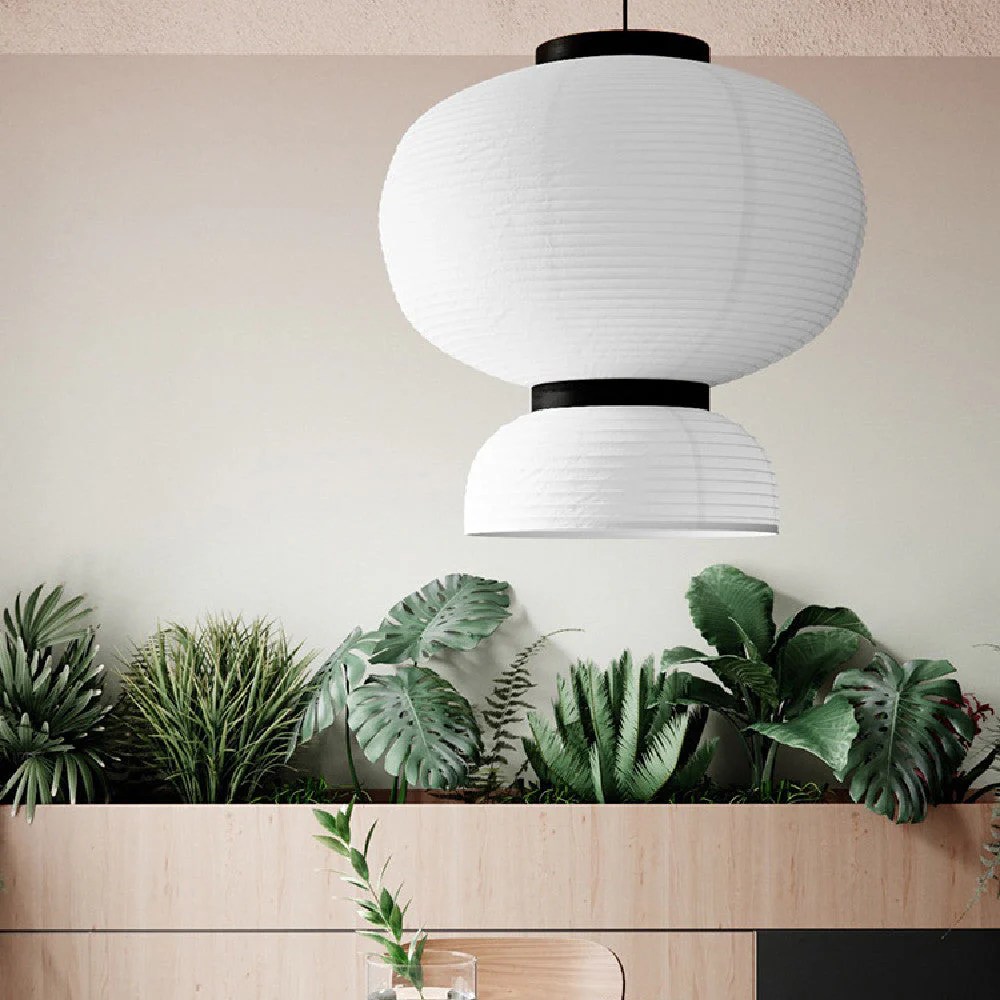
Japanese terrariums, with their delicate balance of nature, demand consistent care to thrive. Neglect can quickly lead to wilting plants and a compromised aesthetic. Understanding the specific needs of your chosen flora and maintaining a controlled microclimate within the terrarium is paramount for long-term beauty and vitality.
Proper Techniques for Maintaining a Japanese Terrarium
Maintaining a thriving Japanese terrarium requires meticulous attention to detail. Regular monitoring and adjustments are crucial to prevent issues and maintain the desired aesthetic. Consistency in care is key to success.
Methods for Keeping Plants Healthy and Thriving
The health of the plants within a Japanese terrarium is directly tied to the environment you create. Optimal moisture levels, consistent humidity, and appropriate light exposure are essential for their survival and vitality.
- Watering: Watering frequency varies greatly depending on the plants and the specific setup. Regularly check the moisture level of the soil, avoiding overwatering or underwatering. Employ a watering technique that ensures even distribution of moisture, preventing waterlogging in specific areas. Use a fine mist for delicate plants to avoid disrupting the arrangement.
- Light Exposure: Maintaining the correct light exposure is crucial. Observe how the plants are responding to the light. Overexposure can lead to scorching or damage, while insufficient light can cause stunted growth. Monitor the intensity and duration of light for optimal growth and prevent excessive fading or bleaching.
- Humidity Control: Japanese terrariums thrive in a humid environment. Regular misting, using humidity trays, or employing other methods to maintain consistent humidity will help keep the plants healthy. Consider the specific humidity needs of the plants in your terrarium.
Importance of Regular Cleaning and Maintenance
Regular cleaning and maintenance is essential for preserving the visual appeal and structural integrity of the Japanese terrarium. Accumulated debris, dust, and excess moisture can quickly create an unhealthy environment.
- Cleaning the Glass: Regularly clean the glass to prevent clouding and ensure optimal light penetration. Use a gentle cleaning solution and soft cloths to avoid scratching the glass surface. A clean surface ensures the beauty of the terrarium can be fully appreciated.
- Removing Debris: Regularly remove any dead leaves, decaying matter, or excess moss that may accumulate within the terrarium. This will help maintain the natural aesthetic and prevent the spread of potential diseases. This proactive approach prevents unsightly buildup.
- Checking for Pests: Regularly inspect the plants for any signs of pests or diseases. Early detection and treatment are essential to prevent the spread of problems. Use appropriate pest control methods to protect your terrarium’s inhabitants.
Tips for Keeping a Japanese Terrarium Looking its Best
A well-maintained Japanese terrarium will showcase the delicate beauty of its miniature ecosystem. These tips will enhance the overall aesthetic and prevent common problems.
- Regular Observation: Regular observation allows you to catch any early signs of problems, such as pests, wilting, or excessive moisture. Prompt attention to these issues prevents significant damage and maintains the terrarium’s visual appeal.
- Appropriate Soil Mix: Choosing the right soil mix for your plants is essential for their health and growth. A well-draining mix will prevent overwatering and root rot. Use soil mixes specifically formulated for terrarium environments.
- Adjusting Conditions: Conditions such as light and moisture levels may need to be adjusted as the terrarium matures. Observe the plants’ reactions to changes in the environment and make necessary modifications.
Preventing Common Problems in Terrariums
Preventing common issues like root rot, pest infestations, and insufficient light is essential for maintaining a healthy and visually appealing Japanese terrarium.
- Root Rot: Overwatering is a primary cause of root rot. Ensure adequate drainage and adjust watering frequency as needed. Use well-draining soil mixes to minimize the risk.
- Pest Infestations: Regular inspections for pests are crucial. Address any infestations promptly to prevent them from spreading. Choose pest control methods that are safe for the plants.
- Light Deficiencies: Insufficient light can lead to stunted growth and pale coloration. Ensure the terrarium receives the appropriate amount of light for the plants’ needs. Position the terrarium to optimize light exposure.
Inspiration and Inspiration Sources
Japanese terrarium design draws profound inspiration from the nation’s rich aesthetic traditions, deeply rooted in the principles of wabi-sabi, emphasizing the beauty of imperfection and impermanence. This philosophy translates directly into the deliberate simplicity and natural elegance of the terrarium, focusing on carefully curated elements rather than opulent displays. The mindful selection of materials and plants mirrors the Japanese appreciation for nature’s subtle artistry.This meticulous approach fosters a meditative space, mirroring the Japanese appreciation for tranquility and harmony.
Understanding these cultural underpinnings is crucial for successfully capturing the essence of a Japanese terrarium. Inspiration can be gleaned from various sources, including renowned Japanese gardens and traditional art forms, ultimately leading to a uniquely immersive and inspiring aesthetic.
Famous Japanese Terrarium Designs
Numerous examples of Japanese terrarium designs, while not explicitly labeled as such, are readily found in Japanese garden design and bonsai culture. These designs often feature miniature landscapes, meticulously crafted to evoke a sense of a miniature world within a glass container. Key characteristics often include carefully chosen plants, gravel or sand mimicking natural terrain, and decorative elements like miniature rocks or figurines.
These elements work together to express the principles of wabi-sabi and tranquility.
Sources of Inspiration
Drawing inspiration from established sources enriches the design process. Traditional Japanese gardens, known for their serene and minimalist aesthetic, are a treasure trove of design principles. These gardens often utilize carefully placed rocks, gravel, and water features to represent natural landscapes. Observing the intricate detail and deliberate arrangement in these gardens provides invaluable insights for terrarium design.
- Bonsai Culture: The artistry of bonsai, the practice of cultivating miniature trees, provides lessons in shaping and arranging plants. The focus on meticulous pruning and the deliberate creation of miniature landscapes offers direct parallels to terrarium design.
- Ikebana: This Japanese art form of flower arranging emphasizes the balance and harmony between the plant materials. The emphasis on natural forms and the ability to convey a story through arrangement offers inspiration for creating meaningful compositions within a terrarium.
- Wabi-Sabi Aesthetics: This philosophy emphasizes the beauty of imperfections, simplicity, and the transient nature of life. The acceptance of natural variations in plant forms and the use of unrefined materials can lead to a profoundly moving and unique terrarium design.
Key Elements of the Aesthetic
Key elements inspiring creativity in Japanese terrarium design are:
- Minimalism: The deliberate selection of plants and materials avoids clutter, focusing on a few carefully chosen elements to create a sense of tranquility.
- Natural Forms: The arrangement of plants and materials mimics natural landscapes, aiming to capture the essence of a miniature world.
- Harmony and Balance: The composition emphasizes balance and harmony, achieving a visual equilibrium that mirrors the natural world.
Importance of Researching and Understanding the Aesthetic’s History and Culture
A thorough understanding of the aesthetic’s history and cultural context is essential for creating a genuine and authentic Japanese terrarium. This involves recognizing the principles of wabi-sabi, appreciating the symbolism of different plants, and understanding the historical context of Japanese gardens.
Drawing Inspiration from Nature
Drawing inspiration from nature is a fundamental aspect of Japanese terrarium design. The beauty of natural elements, such as the textures of bark, the shapes of leaves, and the subtle nuances of light and shadow, can all serve as inspiration for the design process. Observing how plants interact within their natural environment, including the interplay of light and shadow, the balance of foliage and the patterns of growth, provides valuable insights.
These observations form the basis for replicating natural elements in a controlled, miniature environment.
Modern Interpretations
Contemporary artists and designers are breathing new life into the traditional Japanese terrarium aesthetic, forging a unique blend of ancient principles and modern sensibilities. This fusion reflects a broader trend in design, where respect for heritage intertwines with innovative approaches to form and function. The result is a revitalized style, reinterpreted for a contemporary audience while maintaining the core values of tranquility and meticulous detail.Modern interpretations are influenced by the ongoing evolution of design trends, including minimalism, biophilia, and a renewed appreciation for handcrafted details.
This convergence is evident in the choice of materials, plant selection, and the overall arrangement within the terrarium. These evolving aesthetics elevate the terrarium beyond a mere decorative object, transforming it into a dynamic expression of personal style and environmental consciousness.
Modern Material Choices
Modern terrariums often feature materials that deviate from traditional approaches, while still honoring the aesthetic’s core values. Contemporary designers embrace a broader palette, incorporating metals like copper and brushed steel, alongside glass in unique forms. This allows for a more dynamic visual interplay between the plants and the container, adding a modern touch to the traditional design. Furthermore, reclaimed wood, polished concrete, and even translucent polymers are increasingly seen, reflecting a preference for sustainability and unique textures.
These choices speak to a wider environmental consciousness, blending practicality with a sense of refined artistry.
Plant Selection and Arrangement
Modern interpretations of the Japanese terrarium aesthetic frequently showcase a more diverse selection of plants than traditional styles. This expansion includes air plants, succulents, and other low-maintenance options, which are well-suited for the controlled environment of a terrarium. The arrangements are often less formal, incorporating a sense of asymmetry and spontaneity. This contrasts with the meticulously symmetrical layouts often seen in traditional designs.
Instead of perfectly centered compositions, modern arrangements often feature a more dynamic interplay of light and shadow, using plants to create depth and visual interest. This allows for a more organic and less rigid presentation.
Contemporary Aesthetics and Design
Contemporary aesthetics influence the design in several ways. For example, the use of geometric shapes and modular designs provides a structured yet dynamic counterpoint to the more natural elements of the terrarium. The inclusion of miniature sculptures or figurines, inspired by modern art movements, can also be incorporated to create a unique and personalized space. This fusion of contrasting styles creates a compelling balance between the traditional and the contemporary, leading to a more dynamic visual experience.
The use of artificial lighting, for example, can highlight the details of the plants and the unique textures of the materials. This adds another layer of visual complexity to the already rich tapestry of the modern terrarium.
Examples of Modern Interpretations
Modern interpretations often involve a reimagining of traditional themes. For instance, a modern take on the Zen garden concept might use a clear glass terrarium filled with miniature succulents and moss, arranged in a geometric pattern with copper accents. Another example might involve a terrarium with a focus on tropical plants, utilizing vibrant green tones and a mix of textures to create a striking visual impact.
These examples showcase the versatility of the style, demonstrating how modern aesthetics can be seamlessly integrated into the timeless beauty of the Japanese terrarium.
Terrarium Design Ideas
Japanese terrariums, a microcosm of Zen gardens, offer a captivating blend of nature’s artistry and mindful design. Their intricate details and carefully curated compositions create a serene atmosphere, perfect for contemplation or a quiet corner in any home. This section delves into three distinct Japanese terrarium designs, each embodying a unique aspect of the aesthetic, and provides detailed construction guidelines.
Zen Garden Terrarium
This design emphasizes tranquility and the principles of a traditional Japanese Zen garden. The core concept is creating a miniature landscape evoking a sense of stillness and contemplation. This is achieved through a meticulously planned arrangement of gravel, sand, and perhaps a few carefully chosen plants.
- Construction: Begin with a clear glass container. A shallow, rectangular container works well for this design. Lay a layer of polished river stones or gravel at the bottom, creating a smooth, uniform base. Next, strategically arrange a layer of white or light-colored sand. Add a small cluster of moss or a single, unassuming succulent, ideally one that has a low profile.
A few small, carefully placed rocks or miniature figurines may also be included to symbolize elements of the landscape. Finally, incorporate a water feature, if space allows, using a small, decorative bowl or fountain.
- Materials: Clear glass container, polished river stones, white sand, moss, small succulent, decorative rocks or figurines, a small water bowl or fountain.
- Plants: Focus on low-growing, drought-tolerant plants like moss or a small, unassuming succulent.
- Lighting: Indirect lighting is ideal. A low-wattage LED strip or a shaded lamp positioned above the terrarium will effectively illuminate the miniature landscape without harsh glare.
- Mood/Atmosphere: The mood should be serene and contemplative, evoking a sense of tranquility. The design should reflect a state of calm and balance, reminiscent of a traditional Japanese Zen garden.
Floating Island Terrarium
This design captures the delicate beauty of a miniature floating island. The design’s focus is on visual lightness and the impression of a floating landscape.
- Construction: Choose a clear glass container with a slightly wider opening. Create a base of small, decorative stones or pebbles to simulate a landscape. Using a thin layer of moss or small pieces of driftwood, create a “platform” for the plants. Carefully select a few small, air-plant varieties, such as Tillandsia, to arrange on the platform.
The arrangement should appear as if the plants are floating above the landscape.
- Materials: Clear glass container, decorative stones or pebbles, moss or driftwood pieces, Tillandsia or other air plant varieties.
- Plants: Focus on air plants (Tillandsia) and other low-maintenance, small plants that can be arranged to appear to be floating.
- Lighting: Indirect lighting or a low-intensity LED lamp aimed from the top will enhance the floating effect.
- Mood/Atmosphere: The mood should be ethereal and delicate, evoking a sense of floating serenity. The design should appear lightweight and airy, emphasizing the plants’ apparent weightlessness.
Miniature Bamboo Forest Terrarium
This design emphasizes the intricate details of a miniature bamboo forest. The design aims to capture the feeling of a dense bamboo grove in a confined space.
- Construction: Select a tall, narrow glass container to mimic the verticality of a bamboo forest. Place a layer of small stones at the bottom, followed by a layer of soil. Plant bamboo shoots or miniature ferns in the soil. Gradually add layers of moss and rocks to create a dense, forest-like environment. Place a small piece of driftwood or a miniature decorative rock in the foreground for visual interest.
- Materials: Tall, narrow glass container, small stones, soil, miniature bamboo shoots or ferns, moss, driftwood or miniature decorative rock.
- Plants: Use miniature bamboo shoots, ferns, and small mosses to create a dense forest effect.
- Lighting: Use a combination of indirect lighting and a low-wattage LED lamp to highlight the foliage and give a feeling of depth to the bamboo forest.
- Mood/Atmosphere: The mood should be calming and serene, evoking a sense of quiet contemplation within a dense bamboo grove.
Terrarium Design Comparison Table
| Design Name | Description | Key Elements | Visual Example (Image Description) |
|---|---|---|---|
| Zen Garden | A tranquil miniature landscape. | Gravel, sand, moss, small rocks | A serene scene of smooth river stones, white sand, and a small succulent, subtly illuminated, evokes a sense of stillness. |
| Floating Island | A delicate display of plants seemingly floating. | Small decorative stones, moss, air plants | A clear glass container with plants like Tillandsia, appearing to float above a bed of small decorative stones, showcasing an ethereal beauty. |
| Miniature Bamboo Forest | A miniature representation of a dense bamboo forest. | Miniature bamboo, moss, driftwood | A tall, narrow container filled with a dense collection of miniature bamboo shoots and moss, creating a vertical, forest-like structure, softly illuminated from above. |
Epilogue
In conclusion, Japanese terrarium lighting aesthetic offers a unique opportunity to cultivate a tranquil space within one’s home. By meticulously considering lighting, plant selection, and materials, one can create a miniature masterpiece that embodies harmony and serenity. The aesthetic’s enduring appeal lies in its ability to bridge the gap between nature and culture, creating a space of both visual and emotional beauty.
