
The washing machine, a ubiquitous appliance in modern households, transcends its simple function of cleaning clothes. It represents a complex interplay of mechanics, engineering, and chemistry, all working in harmony to deliver fresh, clean laundry. From the whirring of the motor to the precise choreography of water and detergent, understanding the inner workings of this essential device unlocks a deeper appreciation for its efficiency and impact on daily life. Delving into the world of washing machines reveals a fascinating journey through technological advancements and practical applications.
This guide navigates the intricacies of the washing machine, from its fundamental components and operational cycles to the crucial aspects of selection, installation, and maintenance. We’ll explore the different types of machines, compare their features, and provide practical tips for optimal performance. The journey will encompass detergent usage, stain removal techniques, and the importance of regular care, all aimed at extending the lifespan of your appliance and ensuring your clothes receive the best possible treatment. This comprehensive exploration aims to transform the mundane task of laundry into a well-informed and efficient practice.
Understanding the Fundamental Mechanics of a Washing Machine’s Operation is Crucial
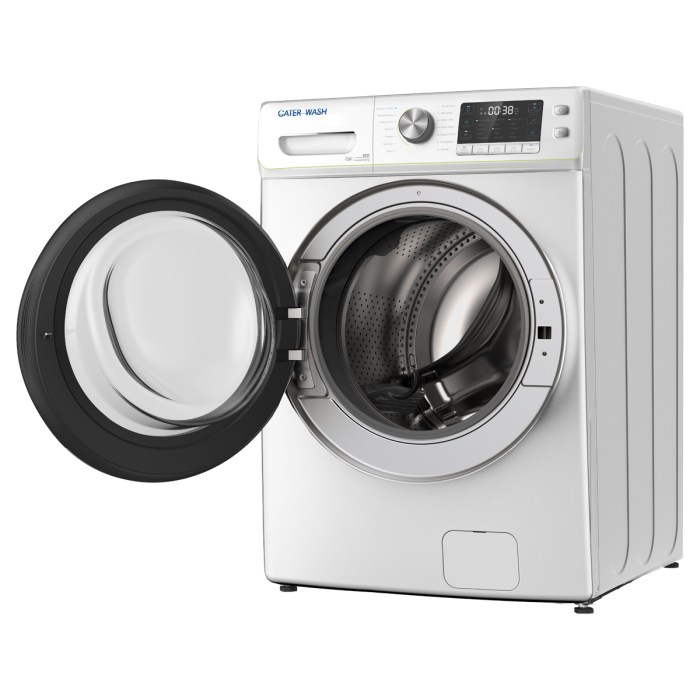
Understanding the inner workings of a washing machine isn’t just for appliance repair technicians; it empowers consumers to use their machines efficiently, troubleshoot minor issues, and appreciate the technology that simplifies a fundamental household chore. A clear grasp of the components and cycles allows for optimal cleaning performance and extends the lifespan of the appliance.
Basic Components and Their Functions
A washing machine is a complex system of interconnected parts, each playing a vital role in the cleaning process. The core components work in concert to achieve the desired outcome: clean clothes.
The motor is the powerhouse, responsible for driving the various movements within the machine. It provides the rotational force for the agitator or impeller during the wash cycle and the high-speed spinning of the drum during the spin cycle. The motor’s power is often rated in horsepower (HP) or watts, indicating its capacity to handle different load sizes and cycle types. More powerful motors are typically found in heavy-duty machines.
The pump is responsible for removing water from the machine. After the wash and rinse cycles, the pump activates to drain the water, which contains detergent and loosened dirt, from the drum. The pump’s efficiency is crucial for the overall cycle time; a clogged or malfunctioning pump can significantly extend the draining process.
The control panel acts as the central command center, allowing users to select wash cycles, adjust water temperature, and set other parameters. Modern control panels often feature digital displays and touch-sensitive buttons, offering a wide range of customization options. The control panel is connected to sensors throughout the machine, providing feedback on water levels, temperature, and other operating conditions. It then relays this information to the various components to regulate the washing process.
The drum, the large, rotating container inside the washing machine, is where the clothes are placed. It is perforated with small holes to allow water to drain during the spin cycle. The drum is typically made of stainless steel, chosen for its durability and resistance to rust.
Water Intake, Heating, Detergent Mixing, and Circulation
The washing process involves a carefully orchestrated sequence of steps to effectively clean clothes. This includes water intake, heating (if applicable), detergent mixing, and the circulation of the wash water through the clothes.
Water intake begins when the user selects a wash cycle and the machine receives the signal. Solenoid valves open, allowing water to flow into the machine. The water temperature is controlled either by a hot water supply line, a cold water supply line, or an internal heating element. Machines with internal heating elements can heat the water to the desired temperature, offering greater flexibility in wash cycle selection.
Detergent is dispensed, typically through a dedicated compartment, at the appropriate time in the cycle. The detergent is then mixed with the water, creating a soapy solution. This solution is circulated through the clothes by an agitator (in top-load machines) or an impeller (in front-load machines). The agitator is a central post with vanes that rotate back and forth, creating friction and movement to loosen dirt. The impeller, on the other hand, is a low-profile disc at the bottom of the drum that generates a current, circulating the water and clothes.
The circulation process is designed to ensure that the detergent solution comes into contact with all parts of the clothes, effectively removing dirt and stains. The duration and intensity of the circulation vary depending on the selected wash cycle. For example, a heavy-duty cycle will involve a longer and more vigorous circulation process than a delicate cycle.
The Spin Cycle: Water Removal Explained
The spin cycle is a crucial part of the washing process, removing excess water from the clothes before the drying cycle. The effectiveness of the spin cycle directly impacts the drying time.
During the spin cycle, the drum rotates at a high speed. This centrifugal force pushes the water outwards, through the perforations in the drum, and into the drain pump. The speed of the spin cycle is measured in revolutions per minute (RPM). Higher RPMs result in more water removal, but can also be harsher on delicate fabrics. Modern washing machines offer a range of spin speeds to accommodate different fabric types and cleaning needs.
The efficiency of the spin cycle is also affected by the balance of the load. If the clothes are unevenly distributed in the drum, the machine may vibrate excessively, and the spin cycle may be interrupted to rebalance the load. This is why it’s important to load the machine properly, distributing clothes evenly.
Washing Machine Cycles: A Breakdown
Washing machines offer a variety of cycles designed for different types of fabrics and levels of soiling. Understanding these cycles allows users to optimize cleaning performance and protect their clothes. The duration of each cycle varies depending on the machine’s model and the selected options.
- Delicate: This cycle uses gentle agitation and lower spin speeds to clean delicate fabrics like silk, lace, and lingerie. The duration is typically shorter than other cycles.
- Normal: This is the standard cycle for everyday clothes made of cotton, linen, and durable synthetics. It provides a balance of agitation and spin speed.
- Heavy-Duty: This cycle uses a longer wash time, higher agitation, and higher spin speeds to remove tough stains and dirt from heavily soiled items like work clothes, towels, and bedding.
- Permanent Press: This cycle is designed for clothes that are wrinkle-resistant. It uses a moderate wash action and a slower spin speed to prevent wrinkles.
- Quick Wash/Speed Wash: This cycle is designed for lightly soiled items that need a quick refresh. It typically uses a shorter wash time and a faster spin speed.
- Bulky Items/Bedding: This cycle is designed for washing large items such as comforters, blankets, and pillows. It often uses a longer wash time and a special agitation pattern.
Selecting the Right Washing Machine for Your Specific Laundry Needs is Important
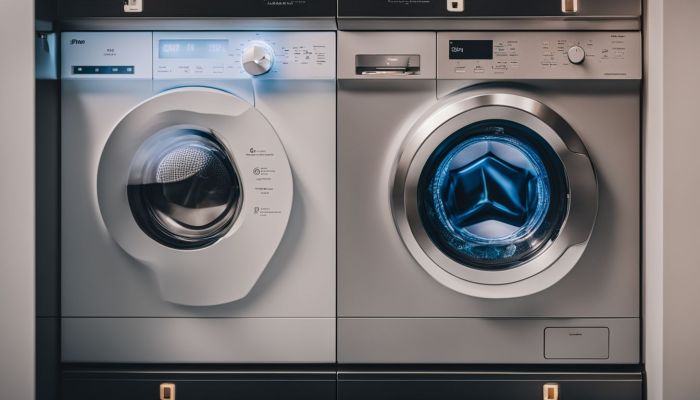
Choosing the right washing machine is a significant investment that impacts both your wallet and your daily routine. With a plethora of options available, from top-load agitators to high-efficiency front-loaders, understanding the differences and matching them to your lifestyle is crucial. This guide provides a comprehensive overview to help you make an informed decision, ensuring you select a washing machine that meets your specific laundry needs efficiently and effectively.
Types of Washing Machines: Advantages and Disadvantages
The market offers several types of washing machines, each with its own set of pros and cons. Understanding these differences is the first step in making the right choice.
- Top-Load Washing Machines with Agitator: These machines are a traditional favorite, known for their simple design and typically lower purchase price. They use a central agitator to twist and turn clothes, effectively removing dirt. However, they can be rougher on clothes and often use more water. The agitator also limits the capacity, making it difficult to wash large items like comforters.
- Top-Load Washing Machines without Agitator (Impeller): These models use an impeller at the bottom of the drum to create a washing action. They generally use less water than agitator models and are gentler on clothes. The absence of a central agitator also allows for more space, enabling you to wash larger items. They may, however, take longer to wash clothes and sometimes struggle with heavily soiled items.
- Front-Load Washing Machines: Front-load washers are generally considered the most efficient. They use a tumbling action that’s gentle on clothes and consumes significantly less water and energy compared to top-load models. They also offer excellent cleaning performance. The main disadvantages are the higher purchase price and the potential for mold and mildew buildup if not properly maintained. They often require bending to load and unload clothes.
- Compact Washing Machines: Designed for smaller spaces, compact washers are ideal for apartments or smaller households. They come in both top-load and front-load models, offering comparable features to their larger counterparts but with reduced capacity. They are typically more expensive per load compared to larger machines.
Factors to Consider When Choosing a Washing Machine
Beyond the type of washing machine, several factors influence the best choice for your needs. Carefully evaluating these aspects ensures you select a model that aligns with your priorities.
- Load Capacity: Load capacity is measured in cubic feet. A larger household requires a machine with a larger capacity (e.g., 4.5 cubic feet or more) to handle bigger loads. A smaller household can typically manage with a smaller capacity (e.g., 3.5 cubic feet or less). Overloading a machine can reduce cleaning efficiency and potentially damage the appliance. For instance, a family of four might need a washer that can handle a king-size comforter, while a single person might only need to wash smaller loads of clothing and linens.
- Energy Efficiency: Look for the Energy Star label. Energy Star certified washing machines use significantly less energy and water, leading to lower utility bills and a reduced environmental footprint. Front-load washers are generally the most energy-efficient. Consider the long-term cost savings associated with energy efficiency, as they can offset the higher upfront cost of a more efficient machine over the appliance’s lifespan.
- Water Usage: Water usage is directly related to energy efficiency. High-efficiency (HE) washers use significantly less water than standard models. This not only saves water but also reduces the energy required to heat the water. The difference can be substantial; an HE washer can use less than half the water of a traditional top-load machine.
- Noise Levels: Washing machines can be noisy, especially during the spin cycle. Check the decibel (dB) rating before purchasing. Front-load washers are generally quieter than top-load models. Consider the location of your laundry room and whether noise levels will impact your living space.
Comparing Washing Machine Features: A Table
The following table provides a comparative overview of different washing machine brands and models. Note that prices can vary based on retailer and promotions. This is for illustrative purposes.
| Brand & Model | Type | Capacity (cu. ft.) | Price Range | Warranty | Special Features |
|---|---|---|---|---|---|
| Whirlpool WTW7120HC | Top-Load with Impeller | 4.8 | $700 – $850 | 1-Year Limited | Built-in faucet, Pretreat Station |
| LG WM3900HWA | Front-Load | 4.5 | $800 – $1000 | 1-Year Limited | TurboWash Technology, Wi-Fi Connectivity |
| Samsung WF45R6300AW | Front-Load | 4.5 | $750 – $900 | 1-Year Limited | Steam Wash, Self Clean+ |
| GE GFW850SSNWW | Front-Load | 5.0 | $900 – $1100 | 1-Year Limited | UltraFresh Vent System with OdorBlock, SmartDispense |
Considering Household Size and Laundry Frequency
The size of your household and how often you do laundry are crucial factors in determining the right washing machine.
- Small Households (1-2 People): A compact or smaller-capacity top-load or front-load machine (3.5-4.0 cu. ft.) is usually sufficient. You may only need to wash a few loads per week.
- Medium Households (3-4 People): A mid-capacity machine (4.0-4.5 cu. ft.) is often a good choice. You might wash laundry several times a week.
- Large Households (5+ People): A large-capacity machine (4.5 cu. ft. or more) is recommended to handle the volume of laundry. You may be washing laundry daily or multiple times a day.
Consider the frequency of your laundry needs. If you do laundry infrequently, a smaller machine might suffice. However, if you have a large family or frequently wash bulky items, a larger capacity is essential to avoid multiple loads and save time.
Proper Installation and Setup of a Washing Machine are Essential for Optimal Performance
Proper installation is the bedrock of a washing machine’s longevity and efficient operation. A poorly installed machine can lead to a host of problems, from inconvenient leaks and excessive vibrations to premature wear and tear. Taking the time to install your washing machine correctly is an investment that pays dividends in terms of performance, energy efficiency, and the lifespan of your appliance. This guide provides a comprehensive, step-by-step approach to ensure your washing machine is set up for optimal performance.
Connecting Water Supply, Drain Hose, and Power Cord
The initial steps involve carefully connecting the essential utilities required for the washing machine’s operation. This process needs precision to prevent leaks and ensure the machine functions safely and effectively.
Here’s a detailed, step-by-step process:
- Preparing the Area: Before you begin, ensure the laundry area is clear of obstructions. The washing machine should be placed on a level, solid surface. Protect the floor with a mat if necessary.
- Connecting the Water Supply Hoses: Locate the hot and cold water supply valves behind the washing machine. These valves typically have standard threaded connections. Attach the water supply hoses to these valves. Ensure the rubber washers are correctly seated within the hose connectors to prevent leaks. Tighten the connectors firmly, but avoid overtightening, which could damage the threads. Then, connect the other ends of the hoses to the corresponding inlets on the back of the washing machine (usually labeled “Hot” and “Cold”). Again, tighten firmly but gently.
- Connecting the Drain Hose: The drain hose is crucial for removing wastewater. There are a couple of ways to connect it:
- To a Standpipe: Insert the drain hose into the standpipe (a vertical pipe specifically for washing machine drainage). The hose should fit snugly but not be forced in too far. Ideally, the hose end should be about 6 inches inside the standpipe to prevent it from easily coming loose during operation.
- To a Utility Sink: If you don’t have a standpipe, you can route the drain hose into a utility sink. Secure the hose to the sink rim with a clamp or tie to prevent it from moving during the wash cycle.
- Connecting the Power Cord: Plug the washing machine’s power cord into a grounded electrical outlet. Ensure the outlet is in good working condition and can handle the machine’s power requirements (check the machine’s specifications for voltage and amperage). Do not use an extension cord, as this can be a fire hazard and may not provide sufficient power.
- Initial Checks: After making all connections, turn on the water supply valves and check for any leaks around the hose connections. Also, ensure the drain hose is securely positioned and will not dislodge during the wash cycle.
Leveling the Washing Machine
Leveling is critical for minimizing vibrations and ensuring the washing machine operates smoothly and efficiently. An unleveled machine can walk or move during the spin cycle, potentially damaging the machine, the floor, and surrounding appliances.
Here’s how to level your washing machine:
- Tools Needed: You’ll need a level (a carpenter’s level is ideal), a wrench or pliers (for adjusting the leveling feet), and potentially a shim kit if the floor is significantly uneven.
- Adjusting the Feet: Most washing machines have adjustable leveling feet at the bottom. Start by placing the level on top of the machine, both front-to-back and side-to-side. Observe where the bubble is in relation to the center lines of the level.
- Making Adjustments:
- If the machine is tilted, locate the adjustable feet. These are usually accessed by tilting the machine slightly forward or backward.
- Use the wrench or pliers to adjust the feet. Turn the feet to raise or lower them until the machine is level. Small adjustments are often needed.
- Repeat this process until the machine is level in all directions.
- Final Checks: Once the machine appears level, gently push down on the top corners of the machine to see if it rocks or wobbles. If it does, make further adjustments to the feet until it is stable.
Troubleshooting Common Installation Problems
Even with careful installation, problems can sometimes arise. Knowing how to troubleshoot common issues can save you time and prevent unnecessary service calls.
Here’s a guide to address typical problems:
- Leaks: Leaks are often the first sign of a problem. If you notice a leak, immediately turn off the water supply to the machine. Check the following:
- Hose Connections: Inspect the water supply hose connections for loose fittings or damaged washers. Tighten the connections if necessary. Replace any damaged hoses or washers.
- Drain Hose: Check the drain hose connections to the standpipe or sink. Ensure the hose is securely inserted and not cracked or damaged.
- Machine Components: Occasionally, leaks can originate from internal machine components. If you can’t locate the source of the leak, consult the washing machine’s manual or contact a qualified appliance repair technician.
- Improper Drainage: If the washing machine is not draining properly, it can leave standing water in the drum. This can be caused by:
- Clogged Drain Hose: Check the drain hose for any kinks or blockages. Disconnect the hose and clear any obstructions.
- Clogged Drain Pump Filter: Most washing machines have a drain pump filter that can trap lint, buttons, and other debris. Consult your owner’s manual for the location of the filter and how to clean it.
- Clogged Drain Pipe: If the drain hose and filter are clear, the problem might be a clog in the drain pipe itself. You may need a plumber to address this issue.
- Electrical Issues: Electrical problems can be dangerous. If you suspect an electrical issue, do not attempt to repair the machine yourself.
- No Power: Check the circuit breaker or fuse box to ensure the circuit is not tripped. Verify that the power cord is securely plugged into the outlet. Test the outlet with another appliance to ensure it is working.
- Tripping Circuit Breaker: If the circuit breaker trips when the machine is turned on, there may be a short circuit in the machine. Unplug the machine immediately and contact a qualified appliance repair technician.
Proper Positioning Considerations:
Measure the laundry space accurately before purchasing the washing machine. Ensure there is adequate space for the machine itself, plus an additional 6 inches on all sides for ventilation and accessibility. This spacing is vital for the machine’s cooling system, preventing overheating, and allowing for easy access for maintenance and repairs. Check that the door opens fully and that there’s enough room to move laundry baskets around. Consider the location of electrical outlets and water supply connections, as well as the proximity to a drain pipe or standpipe. Ensure the floor is level and capable of supporting the machine’s weight, especially when filled with water.
Effective Detergent Usage and Laundry Practices Contribute to Clean Clothes
The pursuit of clean clothes extends far beyond simply tossing garments into a washing machine. The selection of the right detergent, coupled with mindful laundry practices, significantly impacts the efficacy of the wash cycle and the longevity of your wardrobe. Understanding the nuances of detergent types, appropriate dosages, stain removal techniques, and water temperature settings is paramount to achieving optimal results and preventing potential damage to your fabrics.
Detergent Types and Fabric Compatibility
The market offers a diverse array of detergents, each formulated with specific strengths and intended applications. Choosing the right detergent is crucial for effective cleaning and fabric preservation. Consider the following detergent types and their suitability:
- Powder Detergents: Powder detergents, often the most economical option, are generally effective for everyday laundry and heavily soiled items. They are particularly well-suited for washing machines with high-efficiency (HE) capabilities, as they typically dissolve completely at higher temperatures. However, powder detergents can sometimes leave residue on clothes, especially in cold water washes or if not fully dissolved. They may also be less effective in hard water.
- Liquid Detergents: Liquid detergents are versatile and dissolve easily in all water temperatures, making them a popular choice. They are often preferred for pre-treating stains and are generally effective on a wide range of fabrics. Liquid detergents are also convenient to measure and pour. However, they can be more expensive than powder detergents. Some liquid detergents contain dyes and fragrances, which may cause allergic reactions in sensitive individuals.
- Detergent Pods: Detergent pods, also known as laundry packets, offer convenience and pre-measured doses. They eliminate the guesswork of measuring detergent and are ideal for those seeking simplicity. However, they can be more expensive than both powder and liquid detergents. Pods are not always ideal for delicate fabrics or small loads, as the pre-measured dose might be excessive. Ensure pods are stored out of reach of children and pets, as they can be hazardous if ingested.
Detergent Dosage and Measurement
Using the correct amount of detergent is crucial for achieving clean clothes without leaving behind residue or damaging your washing machine. Overuse can lead to build-up in the machine and on clothing, while underuse may result in inadequate cleaning.
To ensure accurate measurement, follow these guidelines:
- Read the detergent label: Detergent manufacturers provide specific dosage instructions based on load size and water hardness. Always consult the label for guidance.
- Use the measuring cup or cap provided: These are designed to accurately dispense the recommended amount of detergent. Avoid estimating or guessing.
- Consider water hardness: Hard water contains high mineral content, which can reduce detergent effectiveness. In hard water areas, you may need to use slightly more detergent than recommended.
- Adjust for load size: Use less detergent for smaller loads and more for larger, heavily soiled loads.
- Avoid overfilling the dispenser: Overfilling the dispenser can lead to detergent spills and residue.
Laundry Tips for Stain Removal, Sorting, and Machine Usage
Effective laundry practices extend beyond detergent selection and dosage. Careful attention to stain removal, sorting, and machine operation can significantly enhance cleaning results and protect your garments.
Here are some essential laundry tips:
- Pre-treating Stains: Address stains as soon as possible. Apply a small amount of liquid detergent directly to the stain, gently rub the fabric together, and let it sit for a few minutes before washing. For tougher stains, consider using a stain remover specifically designed for the type of stain.
- Sorting Clothes: Sort clothes by color (whites, lights, darks) and fabric type (delicates, heavy-duty). This prevents color bleeding and protects delicate fabrics from damage.
- Avoiding Overloading: Overloading the washing machine prevents clothes from moving freely, hindering proper cleaning. Follow the manufacturer’s recommendations for load size.
- Using Mesh Bags: Place delicate items, such as lingerie or sweaters, in mesh laundry bags to protect them from snagging or stretching during the wash cycle.
Water Temperature Settings and Their Impact
Water temperature significantly influences cleaning performance and fabric care. Understanding the appropriate temperature settings is crucial for achieving optimal results while preserving the integrity of your clothes.
Here’s a breakdown of common water temperature settings and their impact:
- Cold Water: Cold water is ideal for delicate fabrics, dark colors (to prevent fading), and lightly soiled items. It’s also energy-efficient. Cold water washes are generally safe for most fabrics, but they may not be as effective at removing heavy stains or killing bacteria.
- Warm Water: Warm water is suitable for everyday laundry, such as cotton shirts, towels, and sheets. It provides a good balance between cleaning effectiveness and energy efficiency. Warm water helps to remove dirt and stains more effectively than cold water, but it may cause some color fading over time.
- Hot Water: Hot water is best for heavily soiled items, whites, and bedding (to kill germs and bacteria). However, hot water can cause colors to fade and may damage delicate fabrics. Use hot water cautiously and always check the care labels on your clothes.
Regular Maintenance and Care Extend the Lifespan of a Washing Machine
Maintaining a washing machine is not merely about keeping clothes clean; it’s a critical aspect of extending the appliance’s lifespan and ensuring its optimal performance. Regular maintenance prevents the build-up of residue, mold, and mineral deposits that can lead to costly repairs and premature machine failure. Neglecting these essential tasks can significantly reduce the machine’s efficiency, leading to higher energy bills and potentially impacting the quality of your laundry.
Cleaning the Washing Machine Regularly
Regular cleaning is paramount for the efficient operation of a washing machine. This involves focusing on the drum, detergent dispenser, and filter. Each component requires specific attention to prevent the accumulation of grime and maintain hygiene. The frequency of cleaning varies depending on usage, but a consistent schedule is crucial.
- The Washing Machine Drum: The drum is where the laundry takes place, making it susceptible to soap scum, fabric softener residue, and mold. Cleaning the drum is crucial for preventing the transfer of these elements to your clothes. It is recommended to clean the drum monthly, or more frequently if you frequently wash heavily soiled items or use excessive detergent.
Method: Run an empty hot water cycle with a washing machine cleaner or a mixture of white vinegar and baking soda. For the vinegar and baking soda method, add 1 cup of white vinegar to the dispenser and 1/2 cup of baking soda directly into the drum. - The Detergent Dispenser: Detergent and fabric softener residue can build up in the dispenser, leading to clogs and reduced detergent effectiveness. This buildup can also promote mold growth. The dispenser should be cleaned at least once a month.
Method: Remove the dispenser drawer (consult your machine’s manual for specific instructions). Rinse the drawer under warm water to remove loose residue. For stubborn build-up, soak the drawer in warm water with a mild detergent for about 30 minutes before scrubbing with a soft brush. Ensure all parts are thoroughly dried before reassembling. - The Washing Machine Filter: The filter traps lint, hair, and small objects that can damage the pump and impede drainage. A clogged filter can lead to poor washing performance and potential flooding. The filter should be cleaned every 2-3 months, or more frequently if you notice reduced water flow or if you regularly wash items that shed a lot of lint.
Method: Locate the filter, typically at the bottom front of the machine behind a small access panel (see the visual guide below). Open the panel and carefully remove the filter. Rinse the filter under running water to remove debris. If the filter is heavily soiled, soak it in warm, soapy water for about 30 minutes before rinsing. Replace the filter and close the access panel.
Methods for Cleaning the Washing Machine
Cleaning a washing machine effectively involves employing the right methods and cleaning agents. Using the correct approach not only removes existing grime but also prevents future build-up, maintaining the machine’s performance and hygiene.
- Washing Machine Cleaners: Commercially available washing machine cleaners are specifically formulated to dissolve soap scum, remove mold, and sanitize the machine. Follow the manufacturer’s instructions for usage. These cleaners often contain chemicals that are effective at breaking down residues and sanitizing the internal components of the washing machine.
Example: Affresh Washing Machine Cleaner is a popular choice, known for its effectiveness in removing odors and residue. It typically recommends a monthly use. - Vinegar and Baking Soda: This natural cleaning method is a cost-effective and environmentally friendly alternative. Vinegar’s acidity helps dissolve soap scum and mineral deposits, while baking soda acts as a mild abrasive and deodorizer.
Method: Run an empty hot water cycle. Add 1 cup of white vinegar to the detergent dispenser and 1/2 cup of baking soda directly into the drum. This combination works effectively because the baking soda neutralizes odors, and the vinegar disinfects.
Troubleshooting Common Washing Machine Problems
Understanding common washing machine problems and their potential solutions can save you time, money, and frustration. Early detection and intervention can often prevent minor issues from escalating into major repairs. Here’s a guide to some frequent issues:
- Unusual Noises:
Potential Causes:- Loose items (coins, buttons) in the drum.
- Worn bearings or belts.
- The machine is not level.
Solutions:
- Check and remove any loose items.
- Consult a qualified technician for inspection and repair of bearings or belts.
- Adjust the leveling feet of the machine.
- Leaks:
Potential Causes:- Loose hose connections.
- Overuse of detergent.
- A damaged pump or hose.
Solutions:
- Check and tighten hose connections.
- Use the recommended amount of detergent.
- Inspect the pump and hoses for damage and replace as needed.
- Failure to Drain:
Potential Causes:- Clogged drain pump filter.
- Clogged drain hose.
- A malfunctioning drain pump.
Solutions:
- Clean the drain pump filter (see visual guide below).
- Check and clear the drain hose of any obstructions.
- Replace the drain pump if it’s malfunctioning.
Visual Guide: Cleaning the Washing Machine Filter
Cleaning the washing machine filter is a crucial maintenance task. This guide provides step-by-step instructions to assist in the cleaning process.
Step 1: Locate the Filter Access Panel
Description: The illustration shows a front-loading washing machine. A small rectangular access panel is located at the bottom front of the machine, usually on the lower right side. The panel is flush with the machine’s exterior and may have a small indentation or handle for easy opening. This panel provides access to the drain pump filter.
Step 2: Open the Access Panel
Description: The image shows the access panel being opened. Depending on the model, the panel might be clipped in place or secured with a small screw. Carefully open the panel, which might require a gentle tug or the use of a screwdriver to remove the screw. Behind the panel, you’ll see the drain pump filter and potentially a small drain hose to catch water.
Step 3: Prepare for Water Drainage
Description: The image illustrates the preparation for draining water. Place a shallow container, such as a bowl or a tray, beneath the filter access to catch any water that may spill out when the filter is removed. Some machines have a small drain hose that you can use to drain excess water into a container. If there is a drain hose, pull it out and remove the cap.
Step 4: Remove the Filter
Description: The image depicts the filter being removed. The filter is typically a round or cylindrical component that can be unscrewed or pulled out. Carefully unscrew or pull out the filter. Some models may have a small handle to make this easier. Be prepared for some water to spill out.
Step 5: Clean the Filter
Description: The illustration showcases the cleaning of the filter. Rinse the filter under running water to remove any lint, hair, coins, or other debris. Use a small brush or your fingers to remove stubborn particles. Inspect the filter housing for any remaining debris.
Step 6: Reinstall the Filter
Description: The image demonstrates the filter being reinstalled. Once the filter is clean, screw it back into place. Ensure it is tightly secured to prevent leaks. Close the access panel securely.
Last Point
In conclusion, the washing machine is more than just a convenience; it’s a testament to human ingenuity, a blend of mechanics and chemistry designed to simplify a fundamental aspect of daily living. From understanding its intricate inner workings to mastering effective laundry practices, this guide equips you with the knowledge to optimize your machine’s performance and extend its lifespan. By selecting the right machine, installing it properly, using detergents wisely, and practicing regular maintenance, you can transform the chore of laundry into an efficient and rewarding experience, ensuring your clothes remain fresh, clean, and well-cared for.
